


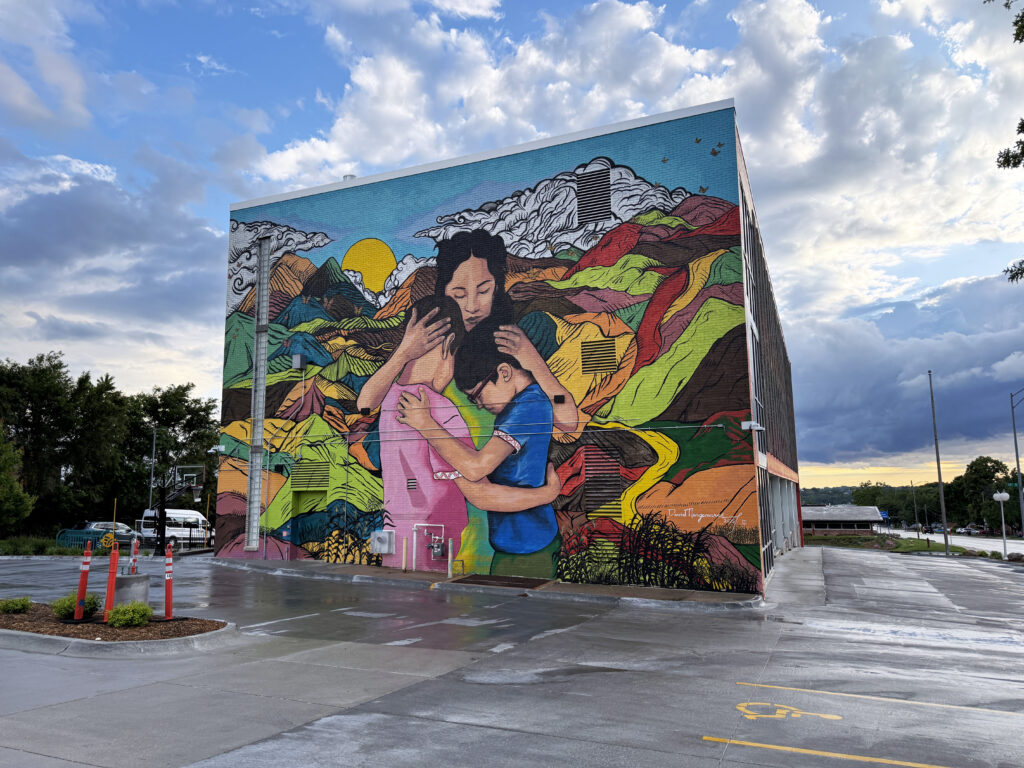
Pass by 42nd and Center streets, and you might see people posing for photos or just looking in amazement.
It’s the home of the Center for Immigrant and Refugee Advancement, and what catches people’s eyes is the mural.
For many immigrants and refugees who arrive in America, making the decision to pack up their families or flee all that they know to resettle in a new, unfamiliar place is worth it for the chance at a better life.
David Manzanares, a local visual artist who painted the mural and immigrant from Oaxaca, Mexico, said that while every journey is different, people often leave their home countries for safety or opportunity.
“Many people are not simply moving toward something; they are also moving away from violence, instability, persecution, poverty, or situations where they feel they have limited opportunities to thrive,” he said.
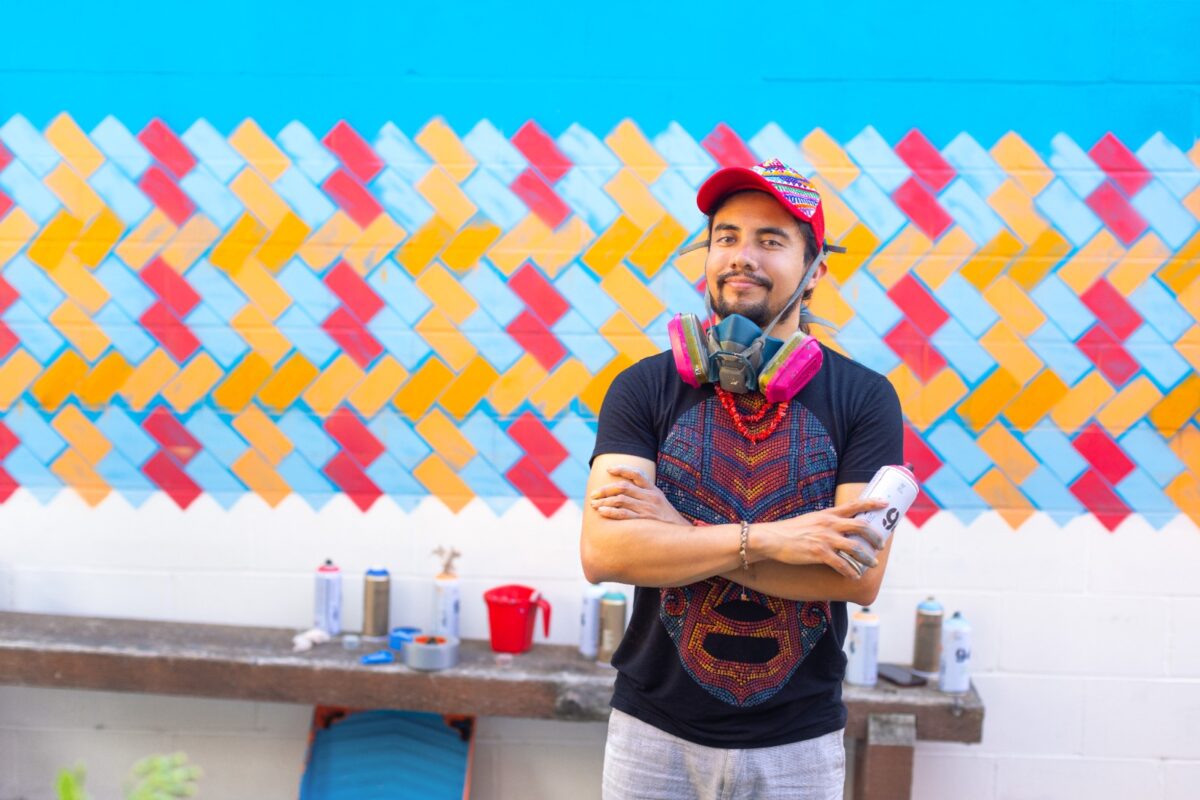
Manzanares has been creating for most of his life, working with art forms like sculpture, murals, ceramics, bronze, glass and mixed media. His work often explores themes of identity and cultural memory.
Manzanares explained that public artworks — like the grand sculptures in city parks and colorful murals that adorn the sides of buildings — have the unique ability to make people feel visible, serving a purpose beyond beauty. When individuals recognize themselves in a public space, it sends a powerful message that they belong.
Creating this sense of familiarity and belonging is exactly what the CIRA set out to accomplish when it commissioned Manzanares to paint the mural on its building.
CIRA works to welcome and support the immigrants and refugees who settle in Nebraska — which is a top destination for newcomers. Its website states that over the past decade, Nebraska has welcomed more refugees per capita than any other state.
Khenda Mustafa, CIRA’s Director of Community Engagement, said organizers wanted the building to reflect the stories of the people at the heart of their work.
“The mural became a way to visually embody our mission and create something that reflected belonging and the many journeys that shape Nebraska,” Mustafa said.
Having previously worked with Manzanares, Mustafa knew he was the perfect person for the job.
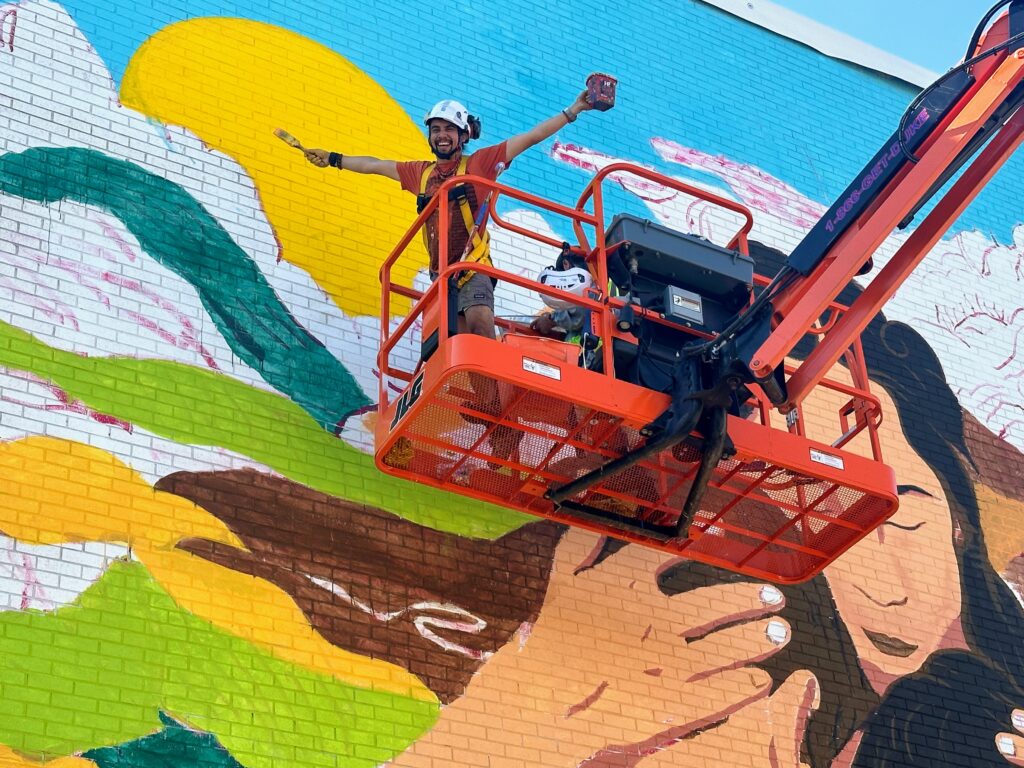
“What stood out to us was how deeply his art is rooted in storytelling, migration, and collective identity,” she said.
In explaining the design process, Manzanares said it wasn’t his vision alone. His approach included listening to voices from various walks of life, including CIRA staff, the people they serve and community members.
In focus groups and shared activities, people shared memories, hopes and symbols that were meaningful to them. Recurring themes emerged, like family, opportunity, safety, cultural pride, education, language and the desire to feel welcomed.
“Rather than imposing a narrative, I wanted the mural to reflect the lived experiences of immigrants and refugees who have made Omaha their home,” he said. “In many ways, the community served as co-authors of the piece.”
For many immigrants and refugees, the story the finished mural tells is one that resonates.
“It follows a journey that many people can relate to: saying goodbye to what is familiar, traveling through uncertainty, arriving in a new place, and ultimately becoming part of a community,” he said. “The work acknowledges both the challenges and the beauty of that journey.”
The mural also allows people passing by CIRA to engage with immigrant and refugee stories.
“It creates moments of curiosity that might not happen otherwise,” Mustafa said.
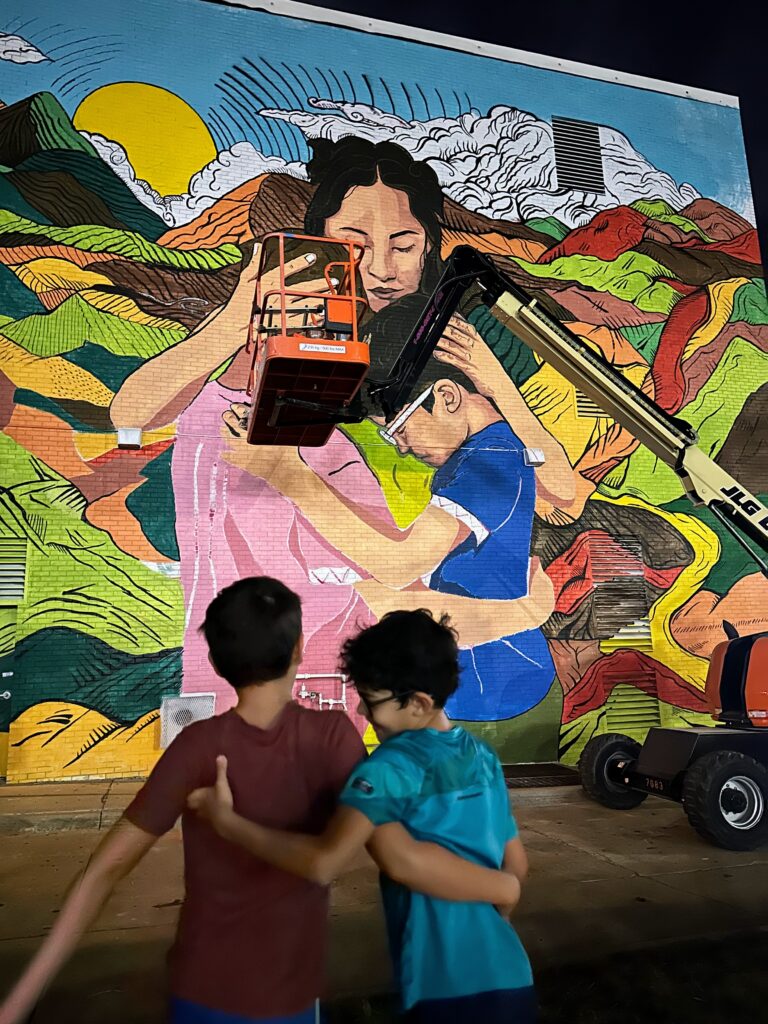
Since its creation, she added the response has been overwhelmingly positive. Mustafa described how people stop on the street to use the mural as a backdrop for photos, neighbors have reached out to compliment the vibrancy it brings to the area, and, most meaningfully, the clients they serve recognize themselves in the art.
The greater Omaha community has taken notice as well. In February, the mural was recognized in the “Outstanding Public Art” category at the Omaha Entertainment and Arts Awards.
Mustafa said the award reinforces the importance of investing in public art. Manzanares agreed, adding that it not only honors the artwork itself, but also all the people behind the scenes who made it happen.
“I see the award as recognition of what can happen when public art is rooted in listening, collaboration, and community engagement,” he said.
As questions of belonging, identity, and inclusion are at the forefront of public conversation, public art can take on new meaning.
“At a time where it can be scary to be seen as an immigrant because of the fear from chaotic policies, there is something deeply powerful about seeing immigrant stories and faces represented so boldly and proudly on the side of a building,” Mustafa said. “It reflects the courage and humanity behind every journey while honoring the many ways immigrant and refugee communities shape and strengthen our state every day.”
Manzanares agreed that the mural affirms that immigrant communities belong here, and that there are real people behind the conversations.
“Art does not solve complex social challenges on its own, but it can help people see one another differently,” he said.
At the end of the day, what Manzanares hopes people take away from the mural is simple.
“I hope they feel welcomed,” he said.